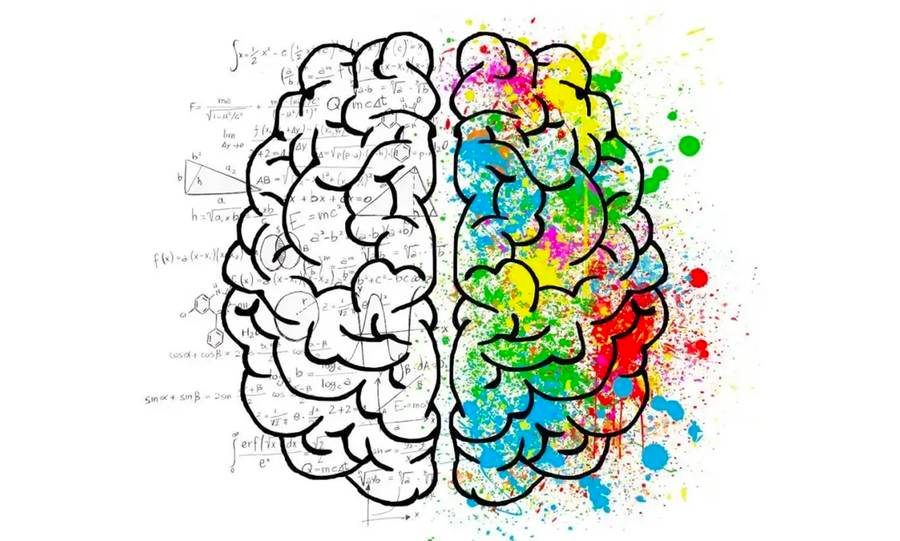
Flow Training and ADHD: Harnessing Your Brain's Natural Superpowers
Introduction
If you have ADHD, you've likely experienced both sides of the attention coin:
The frustration of being unable to focus on important tasks
The surprising phenomenon of becoming so absorbed in something that hours disappear
This intense absorption is often called hyperfocus, but there’s another state that might be even more beneficial: flow.
Flow state, described by psychologist Mihaly Csikszentmihalyi, is a complete immersion in an activity, where challenge meets skill and productivity feels effortless.
Research suggests that the brain behaves differently during flow, and people with ADHD can learn to intentionally create conditions for flow, unlocking transformative focus and performance.
Understanding Flow vs. Hyperfocus
Key distinctions:
Hyperfocus:
Total absorption to the point of ignoring surroundings
Often dream-like; external stimuli are blocked
Example: A child ignores being called while gaming, or an adult misses appointments
Flow:
Deep focus with awareness of surroundings
Productive, enjoyable, and sustainable
Control over attention, unlike hyperfocus, where attention controls you
Research shows that people with ADHD report higher levels of hyperfocus, but lower levels of flow, highlighting that these are distinct states.
The Science Behind Flow and ADHD
Transient hypofrontality hypothesis: Flow temporarily reduces prefrontal cortex activity, allowing full task immersion.
EEG studies indicate that hyperfocus and flow share similarities, but are distinct psychological processes.
ADHD brains can sustain intense focus; the challenge is learning to channel attention strategically.
Why Flow Training Matters for ADHD
ADHD brains often have lower baseline dopamine, affecting motivation and attention. Flow training offers:
Enhanced Productivity: Direct focus to high-priority tasks
Improved Wellbeing: Flow boosts life satisfaction and mental health
Better Task Selection: Identify activities most conducive to focus
Sustainable Focus: Maintains awareness of time and surroundings, unlike hyperfocus
Practical Strategies for Achieving Flow with ADHD
Schedule Dedicated Focus Time
Block uninterrupted periods aligned with your natural alertness
Define Tasks with Precision
Replace vague goals with concrete actions, e.g., “Draft first four pages”
Create Work Rituals
Signal your brain to enter deep work: silence phone, make a beverage, play focus music
Establish Accountability
Share goals with peers or document them to create motivation
Use Body Doubling
Work alongside others for external structure and energy
Apply Time-Boxing Techniques
Use Pomodoro intervals: focused work + short breaks
Balance Challenge and Skill
Tasks should be challenging but achievable to access flow
The Current State of Research
Cognitive training for ADHD shows mixed transfer to broader symptoms
Digital interventions targeting attention can improve objective attention measures
Flow-based interventions (e.g., serious games, VR) increase flow scores in concentration, goals, and feedback
Research is promising but more ADHD-specific flow studies are needed.
Looking Forward
ADHD brains are not broken; they are wired differently
Avoidance often stems from negative emotions; distractions are coping mechanisms
Flow training makes tasks engaging and achievable
Creating flow requires persistence, self-compassion, and experimentation
Key conditions: clear goals, appropriate challenge, minimal distractions, structured time
Conclusion
Flow training is a promising, non-pharmacological approach for ADHD:
Distinguishes hyperfocus from sustainable flow
Provides strategies to intentionally access optimal focus
Enhances productivity, wellbeing, and task management
The goal: work with your brain, not against it, to thrive in attention, productivity, and satisfaction.
References
ADDitude Magazine. (2022). Flow State vs. Hyperfocus: On Channeling Your Unsteady ADHD Attention.
Flow Club. (n.d.). Coworking and Body Doubling for ADHD.
ADDitude Magazine. (2025). Flow State: Deep Work for ADHD Brains to Stay Focused.
Flow Club. (n.d.). ADHD and Dopamine.
Medical News Today. (2022). Flow state: Definition, examples, and how to achieve it.
ResearchGate. (2013). Hyperfocus in adult ADHD: EEG differences. Link
Springer Current Psychology. (2022). Experiences of hyperfocus and flow in college students with/without ADHD.
Journal of NeuroEngineering and Rehabilitation. (2021). Systematic review of flow experience in neurological diseases.
The Lancet Digital Health. (2020). STARS-ADHD digital intervention.
Nature Molecular Psychiatry. (2023). Computerized cognitive training in ADHD.
PMC. Hyperfocus: the forgotten frontier of attention.