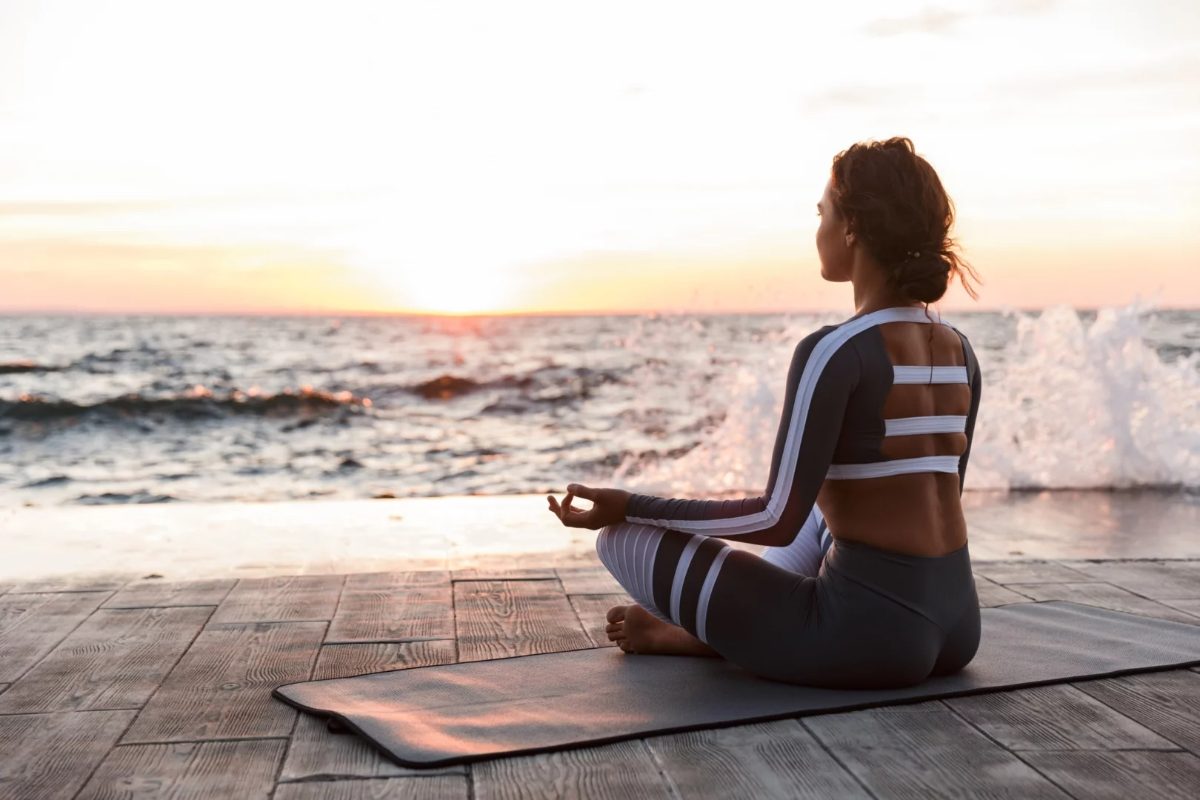
The Moving Mind: How Rhythmic Sports Compare to Meditation
For centuries, meditation has been the gold standard for calming the mind and enhancing mental clarity. But what if your morning run, swim, or bike ride could offer similar benefits? Recent neuroscience research reveals that rhythmic sports and traditional meditation share remarkable similarities in how they affect the brain—while also offering unique advantages.
Two Paths to the Same Destination
At first glance, sitting quietly on a cushion and pounding the pavement seem worlds apart. Yet aerobic exercises like swimming, cycling, and jogging share key characteristics with mindful exercises—predictive breathing and movement patterns, repetitive nature, and often an absence of competition.
Both practices fundamentally alter brain activity in similar ways. Rhythmic breathing in yoga increases theta and delta brain activity while reducing alpha power, particularly during deep relaxation phases—the same patterns observed during traditional seated meditation. Recent research using intracranial EEG recordings found that meditation produces changes in activity in the amygdala and hippocampus, key brain regions involved in emotional regulation and memory.
The science suggests both approaches activate the brain's "dimmer switch" for anxiety and stress while turning up the volume on attention and emotional regulation.
How They Change Your Brain: The Neuroscience
Brain Structure and Function
Both practices produce measurable changes in brain structure. After just 40 days of mindfulness meditation training, novices showed overlapping structural and functional effects in the precuneus, where cortical thickness increased.
Decreased activity in the left precuneus and posterior cingulate cortex correlated with reductions in depression scores.
Studies using fMRI have documented heightened activity in the anterior cingulate cortex, frontal cortex, and prefrontal cortex during meditation, particularly in the dorsal medial prefrontal area. These regions are essential for meta-awareness, body awareness, memory consolidation, and self and emotion regulation.
Yoga practice, which combines physical postures with rhythmic breathing and meditation, produces benefits for brain structure and function. Studies examining holistic yoga practice found moderate effect sizes for improvements in attention, processing speed, and executive function in adult populations.
The Rhythm Connection
A groundbreaking study using optogenetics in mice demonstrated that inducing rhythmic activity in the anterior cingulate cortex for 30 minutes per day over 20 days—matching protocols for studying meditation in humans—resulted in lower scores on behavioral measures of anxiety.
Theta activity in humans has been uniquely correlated with glucose metabolism in the anterior cingulate cortex. Because the ventral ACC connects to the amygdala and regulates its activity, these changes could directly result in the reduced anxiety found following meditation training.
Neuroplasticity and BDNF
Both meditation and mind-body exercises like yoga and tai chi appear to increase circulating brain-derived neurotrophic factor (BDNF) concentrations in healthy and diseased individuals.
BDNF is an important mediator of neuroplasticity in the central nervous system and plays a crucial role in cognitive function.
Meditation increases monoamines, parasympathetic activity, and gray matter density of brain regions involved in emotion regulation while reducing oxidative stress, resulting in reversal of stress-mediated depression.
How They Change Your Body: Physical Benefits
Cardiovascular and Metabolic Health
Exercise demonstrates superior effects on physical health markers compared to meditation.
Randomized controlled trials show exercise improves quality of life, HDL and LDL cholesterol levels, and fasting blood glucose levels.
Both practices show benefits for stress physiology. For example, 12 minutes per day of mindfulness sports meditation helped NCAA Division I football players maintain focus, keep moods up, and fortify mental resilience during intense training.
Immune Function
Mindfulness meditation and physical exercise reduce perceived stress and improve general mental health.
Studies measuring immunoglobulin A (IgA) in saliva samples confirm benefits for immune function.
Exercise-induced stress activates the hypothalamus-pituitary-adrenal (HPA) axis, releasing inflammatory cytokines. Mindfulness reduces inflammatory cytokine concentrations and other stress markers, improving health and performance.
Endurance and Physical Performance
Five-week mindfulness training with two 30-minute sessions per week improved athletes' endurance performance and executive functions, enhancing conflict resolution in neural processes.
Rhythmic physical activity interventions improve mental health and quality of life in older adults, with or without mild cognitive impairment.
The Unique Benefits: Where They Differ
Meditation's Mental Edge
Meditation shows stronger psychological outcomes than exercise, enhancing vitality and reducing rumination, particularly in patients with major depressive disorder.
Across studies, meditation was more effective for anxiety, altruism, and life changes, and in reducing chronic neck pain.
Cognitive Performance Benefits
Both mindfulness training and aerobic exercise enhance cognitive function but via different mechanisms.
Enhanced Stroop task performance has been observed after brief meditation interventions.
Experienced meditators demonstrate better information processing speeds in attention and vigilance tasks.
Mindfulness-based interventions effectively promote athletic performance while improving mindfulness levels and reducing burnout and stress.
The Flow State Connection
Meditation facilitates "flow"—a state of effortless concentration where time seems to disappear.
Flow is associated with increased alpha and theta brainwave activity.
Long-term mindfulness meditation decreases anxiety and ruminative thinking while enhancing flow experiences.
At least three weeks of consistent practice is the threshold where performance benefits begin to manifest.
Exercise's Physical Advantage
Exercise improves physical health markers: cardiovascular health, cholesterol, blood glucose, endorphin release, muscle strength, coordination, and metabolism.
Aerobic exercise can increase dispositional mindfulness, cultivating nonjudgmental attention naturally through repetitive rhythmic motion.
Meditation After Exercise: Amplifying Benefits
Short bouts of meditation after training improve mental resilience, attention, focus, and mood.
Even relaxation-focused meditation (listening to calming music, muscle relaxation) has measurable benefits.
Yoga, combining postures, rhythmic breathing, and meditation, improves attention, processing speed, and executive function.
The Athletic Performance Factor
Mindfulness training improves endurance, executive functions, and conflict resolution in athletes.
Not all meditation is equally effective for all sports:
Focused Attention Meditation (FAM) enhances performance in closed-skills sports (archery, gymnastics).
Open Monitoring Meditation (OMM) benefits open-skills sports (team sports with dynamic environments).
Brief meditation sessions (15 minutes) improve specific performance tasks like basketball free throws.
Elite athletes may need longer, consistent practice (at least three weeks) for measurable benefits.
The Best of Both Worlds
Combining physical activity with mindfulness can be more effective for mental health and wellbeing than either alone.
Transforming rhythmic sports into moving meditation maximizes synergistic benefits.
Stress, Anxiety, and Emotional Regulation
Both practices reduce anxiety through complementary pathways.
Intracranial EEG studies show meditation changes activity in the amygdala and hippocampus.
Rhythmic brain stimulation matching meditation protocols produces behavioral changes consistent with reduced anxiety.
Turning Your Sport Into Meditation: A Practical Guide
Start With Intention
Pause before activity and set an intention to stay present.
Example: "I will notice my breath" or "I will stay aware of my body's sensations."
Focus on the Rhythm
Use repetitive motion as a meditative anchor:
Runners: Count footfalls.
Swimmers: Count strokes, notice water sensations.
Cyclists: Tune into cadence and pedaling flow.
Breathe Consciously
Synchronize breath with movement: exhale on effort, inhale on recovery.
Experiment with deep rhythmic breathing (4 counts in, 4 counts out).
Anchor in Sensations
Focus on:
Feet hitting the ground
Muscle stretch
Temperature of air
Sweat on skin
Body weight and movement
Practice Open Awareness
Notice sounds and scenery without labeling or judgment.
Maintain broad, receptive awareness while grounded in your body.
Embrace the Wandering Mind
Mind will wander—return gently to breath, body, or rhythm.
Each return is a "mental rep" strengthening attention.
Create "Mindfulness Intervals"
Alternate between mindful and natural mind-wandering intervals.
Example: 5 minutes mindful, 5 minutes free; repeat.
End With Reflection
Take 2–3 minutes post-workout to observe body and mental state.
Choose Your Environment Wisely
Prefer natural settings for added stress-reducing benefits.
Let Go of Performance Goals (Sometimes)
Designate sessions for presence over performance to enhance both mindfulness and athletic outcomes.
The Science of Moving Meditation
Aerobic exercise can increase dispositional mindfulness via repetitive movement awareness.
Rhythmic, predictive breathing and motion create natural meditative opportunities.
Former athletes report natural meditative states during repetitive sports.
Measurable brain changes include improved cortical thickness, theta and delta activity, and enhanced executive function.
How Much Practice Do You Need?
Meditation
Immediate: Single 15-min session can improve task performance.
Short-term: 12 min daily for 4 weeks improves resilience, attention, mood.
Sustained: 3 weeks for consistent performance benefits.
Structural changes: 40 days (45 min/day) reshapes brain structure.
Long-term mastery: Experienced meditators show enhanced effects.
Rhythmic Exercise
Acute: Single sessions release endorphins and improve mood.
Mindfulness-building: 12-week aerobic program increases dispositional mindfulness.
Optimal frequency: 30–60 min, 5–7 days/week.
Combined approach: Post-exercise meditation amplifies benefits.
Choosing the Right Practice
Choose meditation if you:
Want to reduce rumination and anxiety
Prefer practice anywhere, anytime
Have injury or physical limitations
Focus on mental skills alone
Choose rhythmic sports if you:
Want physical health benefits
Find seated meditation uncomfortable
Prefer active engagement
Want mental and fitness combined
Combine both if you:
Seek full mental and physical benefits
Are serious about performance optimization
Want synergistic effects of movement and mindfulness
Bottom Line
Rhythmic sports and meditation are complementary.
Both reshape the brain, reduce anxiety, improve focus, and cultivate presence.
Meditation excels in mental outcomes; rhythmic sports add superior physical health benefits.
Combining both produces synergistic advantages that neither alone provides.
Research Citations (Bulleted)
Brain Structure and Neuroplasticity: Tang, Y.Y., et al. (2019). 40 days of mindfulness increased precuneus cortical thickness and reduced depression scores.
Brain Activity During Meditation: Lazar, S.W., et al. fMRI shows heightened anterior cingulate, frontal, and prefrontal activity during meditation.
Yoga Effects on Brain Health: Gothe, N.P. & McAuley, E. (2020). Yoga improves attention, processing speed, and executive function.
Rhythmic Brain Stimulation: Whitton, A.P., et al. (2017). Rhythmic ACC activity reduces anxiety in mice, mirroring human studies.
BDNF Effects: Marosi, K. & Mattson, M.P. (2020). Mindfulness and yoga increase circulating BDNF, aiding neuroplasticity.
EEG Changes During Meditation: Deshmukh, V.D. (2015). Meditation increases gray matter and parasympathetic activity while reducing oxidative stress.
Athletic Performance & Mindfulness: Nien, J.T., et al. (2020). Mindfulness improves endurance and cognitive function.
Systematic Review in Athletes: Zhang, C.Q., et al. (2023). Meta-analysis shows mindfulness reduces burnout and stress in athletes.
Flow States: Pineau, T.R., et al. (2014). Long-term mindfulness enhances flow, reduces anxiety.
Meditation Types for Sports: Colzato, L.S., et al. (2017). FAM benefits closed-skill, OMM benefits open-skill sports.
Performance Enhancement: Seyedi Chegeni, P., et al. (2021). Meditation interventions improve motor, physiological, psychological skills.
Short-Duration Meditation: 15-min interventions enhance basketball free-throw performance.
Post-Exercise Meditation: Wadhen, V. & Cartwright, T. (2021). 12-min sessions improve resilience, focus, mood.
Meditation vs Exercise: Zeng, X., et al. (2023). Mindfulness enhances vitality more than exercise.
Comparative Mental Health Effects: Goyal, M., et al. (2016). Meditation improves anxiety and altruism; exercise improves physical markers.
Mindfulness & Exercise During Lunch Breaks: De Bruin, E.I., et al. (2020). Both reduce stress; exercise shows advantage in some measures.
Depression Studies: Tolahunase, M.R., et al. (2025). Mindfulness reduces rumination more than exercise.
Aerobic Exercise & Mindfulness: Ulmer, C.S., et al. (2014). 12 weeks of aerobic exercise increases mindfulness.
Characteristics of Aerobic Exercise: Swimming, cycling, jogging share rhythmic, predictive patterns with mindfulness exercises.
Long-Distance Running & Meditation: Salmon, P., et al. (2010). Promotes sustained nonjudgmental attention.
Rhythmic Physical Activity in Older Adults: Domínguez-Muñoz, F.J., et al. (2023). Improves mental health and quality of life.
Rhythmic Breathing Effects: Sharma, V.K., et al. (2025). Sudarshan Kriya Yoga increases theta and delta activity.
Combining Physical Activity with Mindfulness: Neugebauer, J., et al. (2024). Combined interventions improve mental health better than either alone.
Deep Brain Mechanisms: Maher, C., et al. (2025). Meditation changes amygdala and hippocampus activity even in first-time practitioners.
Theta Activity & Glucose Metabolism: Ventral ACC connections to amygdala reduce anxiety following meditation.
Immune Function: IgA measures show meditation and exercise improve immunity.
HPA Axis & Inflammatory Markers: Mindfulness reduces cytokines from exercise stress.
Professional Athletes: Kobe Bryant and NCAA players demonstrate meditation improves focus and resilience.